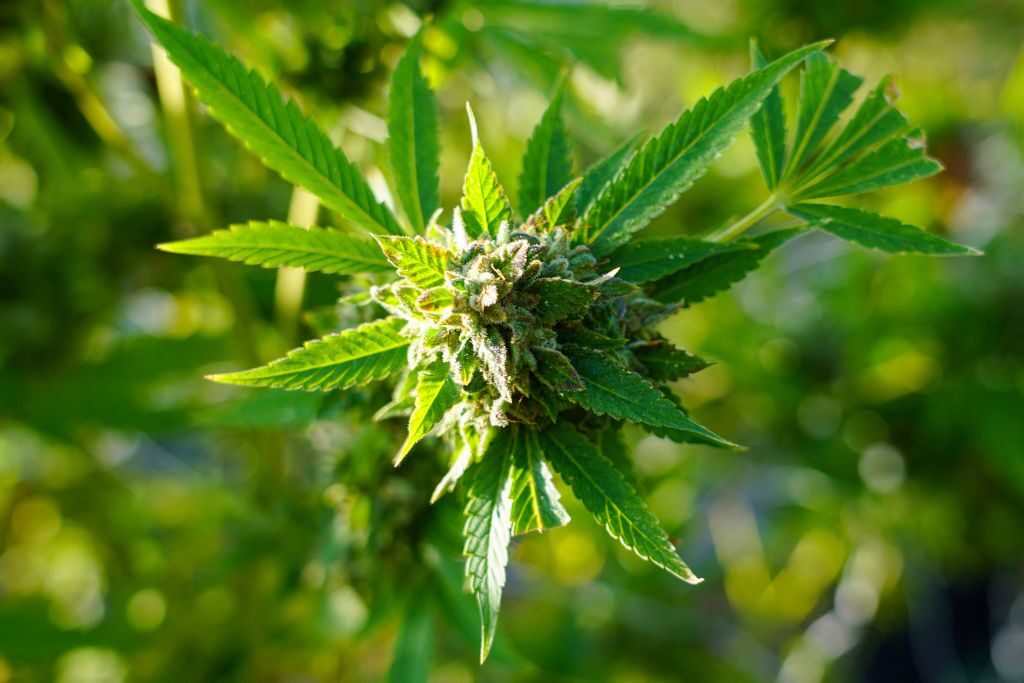
For decades, cannabis was stigmatized as a youth-driven, countercultural cannabis medicine substance. But today, one of the fastest-growing groups of cannabis users may surprise you: seniors.
As legalization expands and medical research evolves, older adults are turning to cannabis for relief from pain, insomnia, inflammation, and more. Yet, despite the growing interest, myths and concerns persist about cannabis use in later life. Is it safe? Is it effective? And how should seniors approach it?
In this article, we explore the role of cannabis in senior health—separating myth from fact, highlighting potential benefits, and offering practical guidance for safe and informed use.
Myth vs. Reality: Breaking the Stigma
Myth 1: Cannabis Is Just for Young People
Reality: Seniors are among the most rapidly increasing cannabis user demographics. Many are turning to cannabis not for recreation, but for medical and therapeutic reasons.
Myth 2: Cannabis Is Unsafe for Older Adults
Reality: While caution is important, especially due to potential medication interactions and individual health issues, cannabis is often well-tolerated by older adults when used responsibly and under medical guidance.
Myth 3: All Cannabis Gets You High
Reality: CBD (cannabidiol)—a non-psychoactive compound in cannabis—can provide relief without intoxication. Many seniors use high-CBD or balanced THC/CBD products specifically to avoid feeling “high.”
Why Seniors Are Turning to Cannabis
As the body ages, issues like chronic pain, arthritis, insomnia, inflammation, and anxiety become more common. Traditional medications such as opioids or benzodiazepines carry risks of dependency, overdose, and side effects. For many, cannabis presents a safer, natural alternative.
Common Conditions Cannabis May Help Manage:
Chronic pain – particularly from arthritis or neuropathy
Insomnia and disrupted sleep cycles
Appetite loss and weight maintenance
Anxiety and depression
Glaucoma symptoms
Muscle spasms and stiffness (e.g., Parkinson’s, MS)
While not a cure-all, cannabis can support overall quality of life by addressing symptoms that interfere with comfort and independence.
Forms of Cannabis Use for Seniors
Today’s cannabis marketplace offers many non-smoking options, which are especially appealing to older adults concerned about lung health.
Popular Methods Include:
Tinctures and oils: Easy to dose and take under the tongue or in food
Capsules or softgels: Familiar, discreet, and measured precisely
Topicals (creams, balms): Applied directly to sore joints or muscles for localized relief without psychoactive effects
Edibles (gummies, chocolates): Palatable, though slower to take effect
Vaporizers: Safer than smoking, with fast-acting results
Many seniors prefer microdosing (very low doses) to start, gradually increasing as needed for comfort without strong psychoactive effects.
Safety Considerations and Precautions
While cannabis has therapeutic potential, older adults should proceed carefully.
- Consult Your Doctor
Always speak with a healthcare provider—especially if you’re taking:
Blood thinners (like warfarin)
Medications for blood pressure, heart conditions, or mental health
Sedatives or opioids
Cannabis can interact with certain drugs, altering their effects.
- Start Low and Go Slow
Older bodies process substances differently. Seniors are more sensitive to THC’s effects, including:
Dizziness
Confusion
Anxiety
Impaired coordination (which can increase fall risk)
A starting dose might be as low as 1–2.5 mg of THC or a 10–20 mg dose of CBD.
- Be Cautious with Edibles
Edibles take longer to kick in (30–90 minutes) and effects can last up to 6–8 hours. Overconsumption is a common mistake—wait before redosing.
Real Stories: Seniors Embracing Cannabis
Many seniors are now sharing their stories of transformation:
Mary, 72, began using a CBD-rich tincture for arthritis and reduced her need for ibuprofen by half.
James, 78, uses a topical cream on his knees and finds it “soothing and effective without any high.”
Gloria, 68, reported better sleep and reduced anxiety after adding a low-dose edible to her bedtime routine.
These stories highlight cannabis’s ability to restore comfort and autonomy—especially when traditional medications fall short.
Access and Education: Key to Empowerment
Seniors often feel overwhelmed by the terminology, dosing, and product choices in dispensaries. Education is key to safe use.
Senior-Friendly Resources Include:
Cannabis clinics with senior outreach programs
Workshops at dispensaries or community centers
Online senior cannabis education sites
Support groups or local meetups for older adults exploring cannabis
It’s important for dispensaries to offer compassionate, stigma-free education to help seniors feel comfortable and informed.
Addressing Ethical and Social Concerns
Many older adults now using cannabis were once subjected to strict anti-drug messaging. Legalization has created opportunities for healing, reflection, and conversation.
Social Justice Considerations:
Some seniors question why cannabis was illegal for so long and are now advocating for expungement of past criminal records.
Others are using their voices to support legal access for veterans, low-income patients, and communities of color disproportionately affected by prohibition.
Cannabis isn’t just a wellness tool—it’s also a catalyst for broader discussions about healing and justice in aging populations.
Conclusion
The outdated image of cannabis as a young person’s indulgence is fading, replaced by a more nuanced understanding of the plant’s benefits—especially for older adults. With the right guidance, education, and products, seniors can safely explore cannabis as a complementary approach to health and wellness.
 Site Title